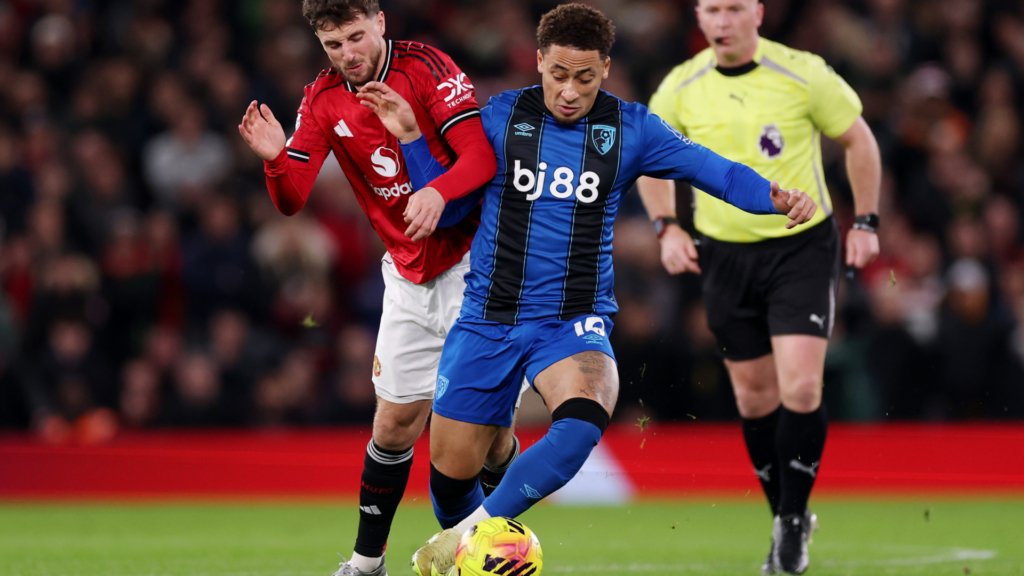
A yellow card in football is a formal caution issued by the referee to a player who commits a cautionable offence. It serves as an official warning that further misconduct will result in a second yellow card and subsequent red card, leading to the player’s dismissal from the match. The yellow card system is one of football’s most recognizable disciplinary tools, and understanding how it works is crucial for fans who want to follow the tactical and disciplinary dynamics of the game, as well as for bettors who factor card markets into their strategies.
Why Do Players Receive Yellow Cards?
The Laws of the Game specify several categories of offences that warrant a yellow card. Unsporting behaviour is the broadest and most commonly cited reason, covering a wide range of actions including simulation (diving), reckless challenges, deliberate handball, and time-wasting. A reckless challenge is defined as one where a player acts with disregard to the danger or consequences for their opponent, even if they make contact with the ball first. This is distinct from serious foul play, which involves excessive force and merits a red card.
Persistent fouling is another frequent reason for yellow cards. A player who commits multiple fouls throughout the match, even if none of them individually warrant a caution, can be booked for their cumulative impact on the game. Referees typically track foul counts mentally, and a player who commits three or four fouls may receive a yellow card even if each individual infringement seemed minor. This rule exists to prevent teams from using a strategy of persistent tactical fouling to disrupt the opposition’s attacking rhythm without any individual player being punished.
Dissent by word or action — showing disagreement with the referee’s decisions through verbal protests, aggressive gesturing, or surrounding the official — is another cautionable offence. In recent seasons, both FIFA and domestic leagues have cracked down on dissent, instructing referees to be stricter in issuing yellow cards for this behaviour. Only the team captain is supposed to approach the referee to discuss decisions, and mass confrontations can result in multiple bookings.
Delaying the restart of play is a tactical offence that earns many yellow cards. This includes standing over a free kick to prevent a quick restart, kicking the ball away after a foul has been given, or taking an excessive amount of time over goal kicks and throw-ins. Players often use these tactics deliberately when their team is leading and wants to run down the clock, accepting the booking as a worthwhile trade-off. Entering or leaving the field of play without the referee’s permission and failing to respect the required distance at a corner kick or free kick are also cautionable offences.
How Yellow Card Accumulation Works
Within a single match, two yellow cards result in an automatic red card and expulsion from the game. This means players who receive an early booking must exercise extreme caution for the rest of the match, knowing that one more infringement could leave their team with ten players. Managers sometimes substitute a player who has been booked early, especially if that player is in a position that requires frequent tackling, such as a defensive midfielder or a centre-back in a physical contest.
Across a season, yellow card accumulation can lead to suspensions even without receiving a red card. In the English Premier League, for example, a player who accumulates five yellow cards before matchday 19 receives a one-match suspension. Ten yellow cards accumulated before matchday 32 result in a two-match suspension, and fifteen yellow cards in a season lead to a three-match ban. The specific thresholds vary between different leagues and competitions, but the principle is consistent: repeated cautions carry escalating consequences.
In UEFA competitions, the accumulation rules are slightly different. In the Champions League and Europa League, a player who receives three yellow cards across different matches in the group stage or knockout rounds receives a one-match suspension. Yellow card counts are reset at specific stages of the competition, such as after the group phase or after the quarter-finals, to avoid players missing the final due to accumulated bookings. This reset system has been a subject of debate, as some argue it allows overly aggressive play in later rounds.
For bettors, understanding yellow card accumulation is valuable for predicting which players might miss upcoming fixtures due to suspension. If a key player is one yellow card away from a ban before an important match, they may be rested or asked to play more cautiously, which could affect the team’s performance and the outcome of the game. Tipsters offer card-related markets including total match cards, individual player bookings, and first player to be booked.
Tactical Fouling and the Strategic Yellow Card
In modern football, yellow cards have become an accepted part of tactical play. The concept of the professional foul — a deliberate infringement committed to prevent a dangerous opposition attack — is widely practised and even encouraged by some managers. When an opposition player breaks through the midfield on a counter-attack, a tactical foul to stop the break is often considered a smart play, with the resulting yellow card deemed a worthwhile price to pay for preventing a goalscoring opportunity.
Some teams are particularly associated with this approach. Pep Guardiola’s Manchester City teams have historically committed tactical fouls high up the pitch to win the ball back quickly or prevent counter-attacks after losing possession. These fouls are not violent or dangerous but are clearly deliberate, and they result in a steady accumulation of yellow cards. Similarly, teams managed by Diego Simeone at Atletico Madrid have been known for their disciplined but aggressive fouling, using tactical bookings as a defensive weapon.
The strategic implications extend to substitution decisions as well. A midfielder sitting on a yellow card in a tight game becomes a tactical liability. The risk of a second yellow leaving the team with ten players must be weighed against the player’s importance to the team’s system. This decision-making process adds an extra layer of complexity to in-match management and is something that experienced bettors monitor closely when watching live games.
Referees are aware of these tactical considerations and sometimes adjust their approach accordingly. Some officials are known for being lenient with first-half bookings but stricter in the second half, while others are quick to brandish the card from the opening whistle. The average number of yellow cards per match in the Premier League is approximately 3.5, but individual referees can range from an average of 2.5 to over 5 cards per game. Knowing which referee is officiating a match is valuable information for anyone interested in card-related prediction markets.
Yellow Cards and Correct Score Prediction
While yellow cards do not directly determine the final scoreline, they have indirect effects that can influence correct score outcomes. A team that receives multiple early bookings may become more cautious in their tackling and pressing, reducing their defensive intensity and potentially allowing more opportunities for the opposition. Conversely, a team whose key attacking player is substituted due to being on a yellow card may see their creative output diminish, making lower-scoring outcomes more likely.
In derby matches and high-stakes encounters, yellow card counts tend to be significantly higher than average. These matches are characterized by heightened intensity, emotional play, and aggressive tackling, all of which increase the likelihood of bookings. The elevated card count in these fixtures correlates with a slightly lower goals-per-game average, as frequent stoppages for fouls and bookings disrupt the flow of play and reduce the time available for attacking moves.
For in-play bettors, monitoring the booking situation during a match provides useful context for correct score predictions. If a match has seen several early yellows and a combative atmosphere, the game’s tempo may slow as players become wary of further punishment. This information, combined with other factors like shots on target, possession statistics, and the current tactical setup, helps create a more complete picture of how the match is likely to unfold.
At Correct Score Predict, our analysis considers disciplinary trends and referee statistics when evaluating match outcomes. Understanding the role of yellow cards in football helps you appreciate the tactical depth of the sport and make more informed predictions about how matches will play out.