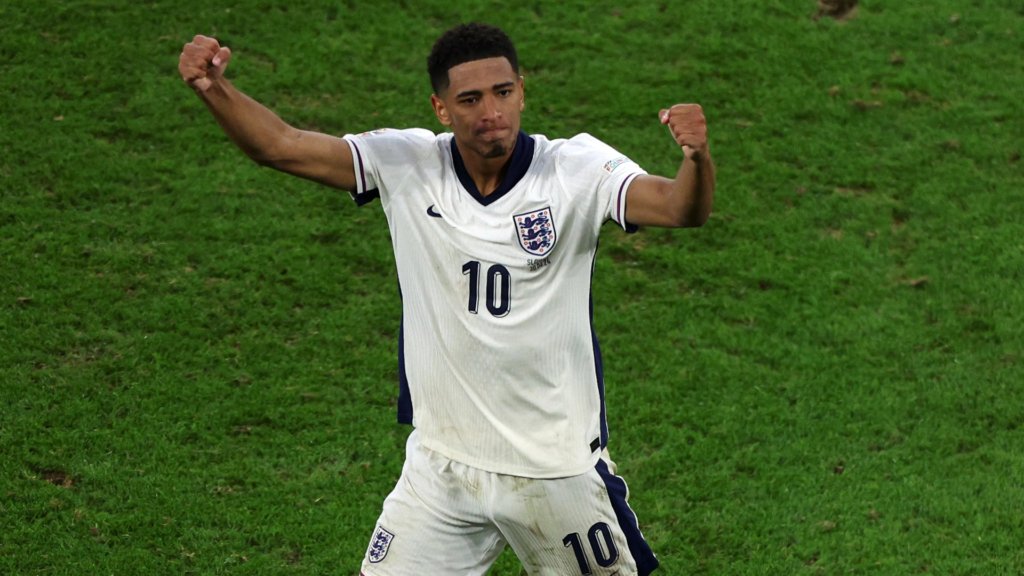
The First Goalscorer market is a popular football betting option where you predict which player will score the first goal of the match. If your selected player opens the scoring, your bet wins regardless of what happens for the remainder of the match. If a different player scores first or the match finishes 0-0, your bet loses. Most bookmakers refund stakes if your chosen player does not start the match or does not enter the field of play at all, though specific rules vary between operators. First Goalscorer betting adds an exciting player-focused dimension to match betting and rewards bettors who can accurately assess individual scoring probabilities.
How First Goalscorer Markets Are Priced
First Goalscorer odds are determined by combining the probability of a specific player scoring in the match with the probability of their goal being the first one scored. A prolific striker who scores in 40 percent of his appearances does not have a 40 percent probability of being the first goalscorer, because even when he scores, another player may have scored before him. The first goalscorer probability also depends on how many total goals are expected in the match and the timing distribution of that player’s goals relative to other players on both teams.
The pricing formula considers several factors. The player’s overall scoring rate is the starting point — a striker who averages 0.6 goals per match has a higher baseline probability than a midfielder who averages 0.1. This rate is then adjusted for the specific opponent, with strikers expected to score more frequently against weak defences. The probability of no goal being scored before the player scores is factored in, which depends on the expected goals for both teams and the typical timing of goals in the match. Finally, the bookmaker adds their margin to arrive at the offered odds.
Typical First Goalscorer odds for an elite striker in a favourable match range from 3.50 to 5.00, while midfielders and less prolific attackers might be priced at 8.00 to 15.00. Defenders, who rarely score, can be priced at 25.00 to 50.00 or higher. Own goals are usually treated as a separate outcome with specific odds, and if an own goal opens the scoring, all First Goalscorer bets on named players typically lose unless the bookmaker specifies otherwise in their rules.
The relationship between First Goalscorer and Anytime Goalscorer markets provides useful cross-references for bettors. The Anytime Goalscorer market pays out if your chosen player scores at any point during the match, regardless of whether it is the first goal. Anytime Goalscorer odds are always shorter than First Goalscorer odds for the same player because the probability is higher — the player only needs to score at any point rather than specifically first. If a player is priced at 4.50 for First Goalscorer and 2.00 for Anytime Goalscorer, the implicit assumption is that roughly 44 percent of his goals will be the first goal of the match.
Strategies for First Goalscorer Betting
One effective strategy focuses on penalty takers in matches where penalties are likely to be awarded. Early penalties are particularly valuable for First Goalscorer bets because they often occur before any other goal has been scored, and the designated penalty taker has a high probability of converting. Identifying matches where a penalty is likely — based on the referee’s historical penalty rate, the attacking team’s propensity for winning penalties, and the defending team’s tendency to concede them — and backing the penalty taker as First Goalscorer can provide an edge.
Another approach targets set-piece specialists. Players who frequently score from corners, free kicks, or headed goals from crosses have a specific route to the first goal that is independent of open-play dynamics. In matches where set pieces are expected to be important — perhaps because one team has a strong delivery and the other is weak at defending them — the set-piece threat players may offer value as First Goalscorer selections compared to open-play strikers whose chances depend on the overall flow of the game.
Timing patterns in football scoring provide additional insight. Goals are not evenly distributed across the 90 minutes — the probability of a goal increases steadily through each half, with peaks just before halftime and in the final 15 minutes. However, for First Goalscorer betting, the timing of the first goal is what matters, and first goals tend to arrive earlier than the average goal. Approximately 40 percent of first goals are scored in the first 30 minutes of a match, which favours players who are involved in the game from the start and contribute to early attacking moves.
Avoiding popular selections can sometimes provide value in First Goalscorer markets. When a particular player is heavily backed by the public — often a star striker who has been scoring freely — the bookmaker may shorten their odds beyond fair value, creating value in alternative selections. An overlooked midfielder who frequently scores or a defender who is dangerous at set pieces may offer better odds relative to their true probability, particularly when the public’s attention is focused on the obvious choice.
First Goalscorer vs Last Goalscorer
The Last Goalscorer market is the mirror image of First Goalscorer, requiring your selected player to score the final goal of the match. Last Goalscorer markets are typically less popular but can offer interesting value. Substitute players who come on in the second half have a higher probability of being the last goalscorer relative to their overall scoring rate, because they are on the pitch during the period when the last goal is most likely to be scored. This creates an opportunity for bettors who can identify which substitutes are likely to be introduced and their scoring potential.
The Last Goalscorer market has different dynamics than First Goalscorer because it depends on the match situation when the final goal is scored. In a match where one team is leading comfortably, the last goal may be scored by a substitute who comes on to see out the match or by a player involved in a counter-attack as the losing team pushes forward. In a tight match, the last goalscorer may be a key player who produces a moment of quality under pressure. These contextual factors make Last Goalscorer more difficult to predict but potentially more rewarding for those who can read match dynamics accurately.
First Goalscorer and Correct Score Predictions
First Goalscorer and Correct Score markets are complementary rather than directly connected, but they share common analytical foundations. Both markets require an understanding of how many goals will be scored in the match and by whom. A correct score prediction of 2-1 to the home team implies that three goals will be scored, with two by home players and one by an away player. The First Goalscorer probabilities are then distributed among the players most likely to contribute those goals.
Combining First Goalscorer with Correct Score in a single bet (sometimes called a scorecast) requires both the named player to score first and the match to finish with the specified scoreline. These combination bets offer very high odds — typically 20.00 to 100.00 — because they require two relatively unlikely events to both occur. The popularity of scorecast bets among recreational bettors makes them an important revenue source for bookmakers, but they can offer value when the bettor has a specific, well-reasoned view about both the likely scoreline and the most probable first goalscorer.
At Correct Score Predict, our match analysis covers both team-level scoreline predictions and the individual factors that determine which players are most likely to score. By understanding the interaction between team dynamics and individual performance, our users can make more informed decisions across the full range of betting markets, from correct scores to goalscorer predictions and everything in between.
First Goalscorer betting adds personality and excitement to football prediction by focusing on individual players rather than abstract scorelines and outcomes. Whether you back the obvious star striker or find value in an overlooked alternative, understanding the factors that determine who scores first enhances both the entertainment and analytical dimensions of football betting.