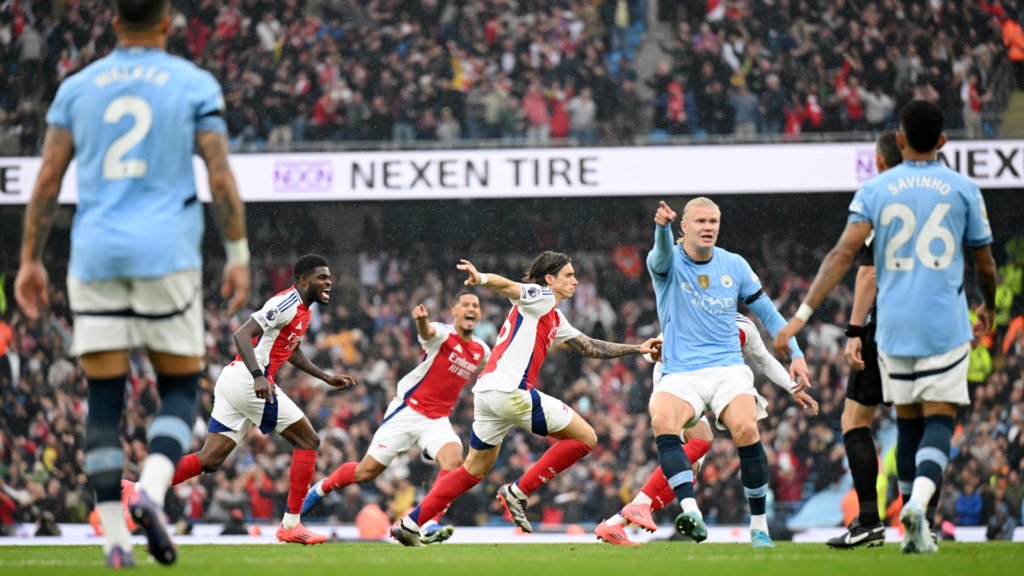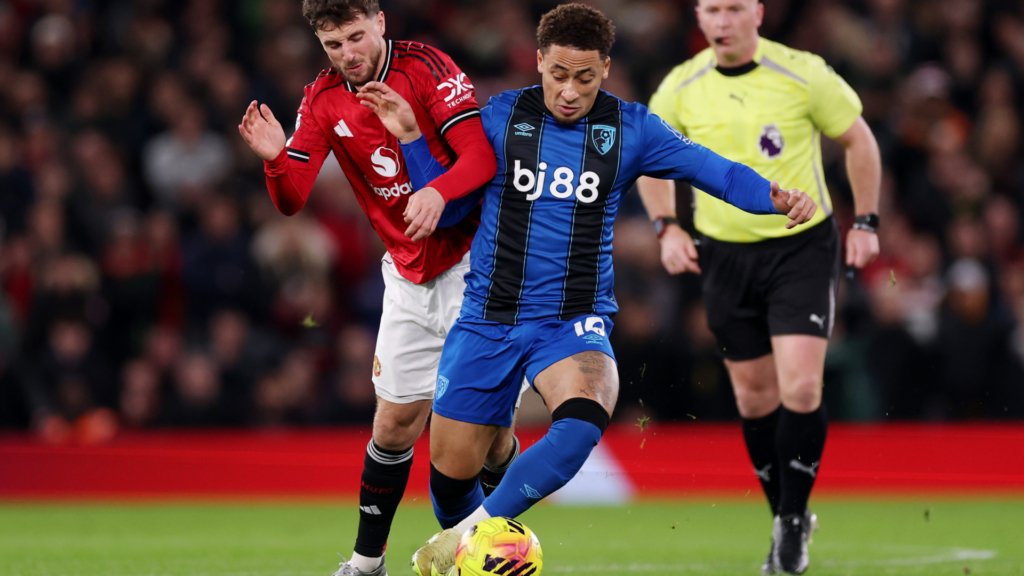
A progressive pass in football is a forward pass that moves the ball significantly closer to the opponent’s goal, typically defined as a pass that advances the ball at least ten metres towards the goal line or any completed pass into the penalty area. Progressive passes measure a player’s ability to advance play meaningfully rather than simply recycling possession through safe, lateral passes. This metric has gained prominence in modern football analytics as a way to identify players who drive their team’s attack forward and distinguish genuinely creative passers from those who merely accumulate high pass counts through low-risk distribution.
How Progressive Passes Are Measured
Different data providers use slightly varying definitions of progressive passes, but the core concept is consistent: a pass must move the ball substantially forward to qualify. StatsBomb defines a progressive pass as one that moves the ball at least ten metres closer to the opponent’s goal from the starting point, while also filtering out passes that begin in the attacking third to avoid counting short passes near the goal as progressive when they represent only a few metres of forward advancement. Other providers use similar distance thresholds with minor variations.
Progressive pass volume varies significantly by player position and role. Central midfielders and centre-backs who initiate build-up play typically record the highest progressive pass counts, as they are responsible for moving the ball from deep areas into the midfield and attacking third. Full-backs who advance play through overlapping runs also record high counts. Strikers and wingers, who receive progressive passes rather than playing them, typically have lower counts but may compensate with progressive carries (dribbles that advance the ball forward).
The top progressive passers in European football combine high volume with high accuracy. Players like Toni Kroos, Rodri, Virgil van Dijk, and Joshua Kimmich excel at playing accurate forward passes under pressure, consistently advancing their team’s attacks through their passing ability. These players’ progressive passing output is a key reason their teams maintain attacking momentum and territorial dominance, as their ability to find forward passes quickly and accurately bypasses opposition midfield lines and creates opportunities in the final third.
The context of progressive passes matters as much as their volume. A progressive pass that breaks through a compact defensive block into the space between the defence and midfield is far more valuable than a progressive pass played into an open area with no opposing pressure. Progressive passes into the penalty area are particularly valuable, as they represent delivery into the most dangerous zone on the pitch. Tracking not just the number but the destination and context of progressive passes provides a richer picture of a player’s creative contribution.
Progressive Passes and Team Playing Style
Team-level progressive pass data reveals fundamental differences in playing style. Teams that prioritize quick vertical play record high progressive pass counts with lower overall pass totals, reflecting an approach that values forward movement over patient ball circulation. Teams that build up slowly and methodically may have lower progressive pass rates despite higher total pass counts, as much of their passing occurs laterally or backwards as they probe for openings. Neither approach is inherently superior — the most successful teams tend to balance patience with decisive forward passing when opportunities arise.
The ratio of progressive passes to total passes is a useful indicator of a team’s directness. A team with a high ratio plays a direct, vertical style that aims to advance the ball quickly, while a team with a low ratio plays a more patient, possession-based style that circulates the ball before committing to forward passes. This stylistic indicator helps predict the tempo and pattern of matches, which in turn informs expectations about goalscoring patterns and likely scorelines.
When analysing a specific match for prediction purposes, comparing both teams’ progressive pass profiles helps anticipate how the match will flow. If both teams prefer to progress the ball quickly, the match is likely to be open with frequent transitions and multiple chances. If one team progresses quickly while the other prefers slow build-up, the match may be characterized by the direct team having more possession in dangerous areas during transitions while the patient team controls the ball in deeper zones.
Progressive Passes and Correct Score Predictions
Progressive passing data helps refine correct score predictions by providing insight into how effectively each team can advance the ball into dangerous areas. A team with high progressive pass output is more likely to create chances and score goals, particularly against opponents whose defensive shape can be penetrated by vertical passing. Conversely, a team that struggles to progress the ball forward may find it difficult to create chances regardless of their possession percentage, leading to lower expected goal output. At Correct Score Predict, we incorporate progressive passing data alongside other advanced metrics to build the most comprehensive picture possible of each team’s attacking capability and generate accurate scoreline forecasts.