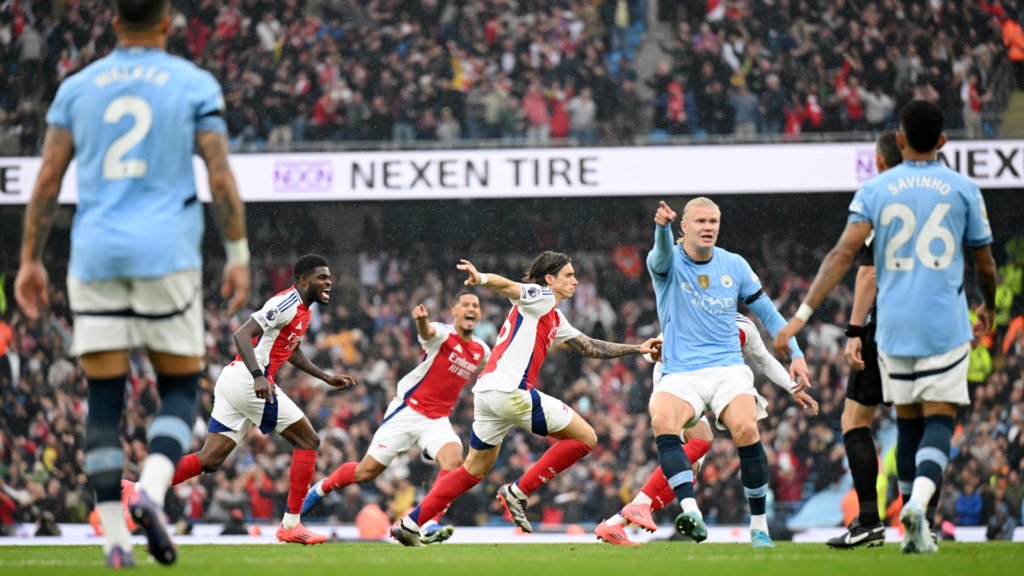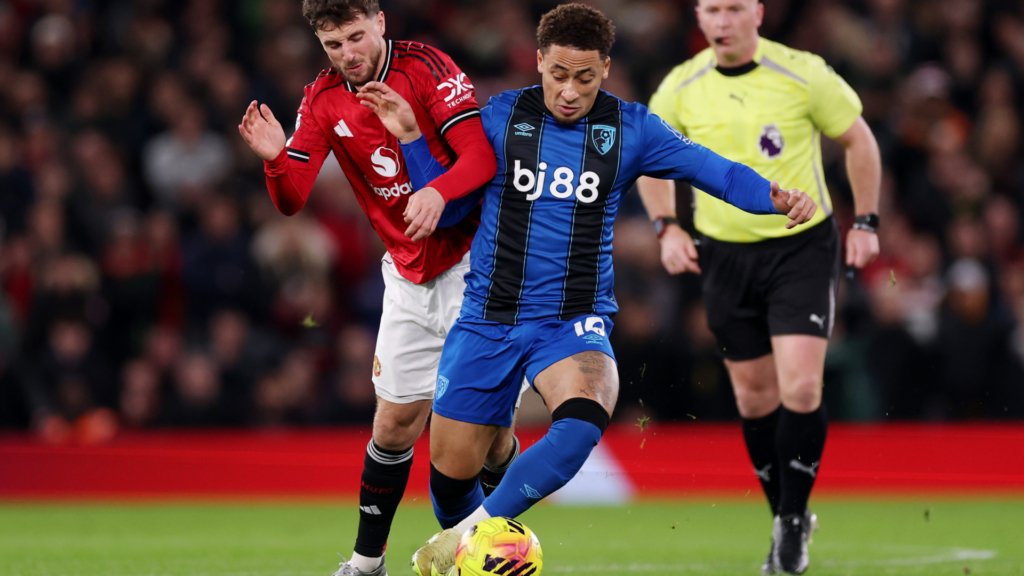
Pressing in football refers to the collective defensive action of a team actively pursuing the ball and closing down opponents in possession, aiming to win the ball back as quickly as possible rather than retreating into a defensive shape and waiting for the opposition to approach. Modern pressing, often called high pressing or gegenpressing (a German term popularized by Jurgen Klopp), has become one of the dominant tactical philosophies in world football, fundamentally changing how teams approach the out-of-possession phase of play and producing some of the most exciting and effective football of the current era.
Types of Pressing in Modern Football
High pressing involves engaging the opposition in their own defensive third, pressuring the goalkeeper, centre-backs, and full-backs as they attempt to build from the back. The objective is to force errors close to the opponent’s goal, creating high-quality chances from turnovers in dangerous areas. Teams that press high accept the risk of leaving space behind their press in exchange for the reward of recovering the ball near the opponent’s goal. This trade-off defines the strategic calculus of high pressing and explains why its effectiveness depends heavily on the collective coordination and fitness of the pressing team.
Mid-block pressing involves engaging the opposition in the central areas of the pitch, typically around the halfway line and the edges of the final third. This approach is less aggressive than high pressing and less risky, as the pressing team does not commit as many players forward and maintains a more compact shape. Mid-block pressing aims to prevent the opposition from playing forward comfortably while avoiding the defensive vulnerability created by a very high line. Many teams use a mid-block as their default approach, only pressing high in specific situations such as goal kicks, short restarts, or when a trigger event (like a slow backward pass) creates an opportunity to press aggressively.
Low-block defending is the opposite of pressing — the team retreats into their own defensive third and establishes a compact, organized shape that denies the opposition space to play through. Low blocks sacrifice territorial control in exchange for defensive solidity, relying on counter-attacks and set pieces for their own attacking opportunities. While sometimes derided as negative football, low-block defending is a legitimate and effective strategy that has produced results at every level, from club football to international tournaments. Atletico Madrid, Greece in Euro 2004, and Inter Milan in the 2009-10 Champions League all demonstrated the effectiveness of well-organized defensive football.
Pressing triggers are the specific situations that activate a team’s pressing movement. Common triggers include the ball being played backwards or sideways by the opposition (suggesting uncertainty in possession), a specific player receiving the ball who is identified as a weak link in the opposition’s build-up, or the ball being played into a designated pressing zone on the pitch. Teams train specific pressing triggers so that all players recognize the moment to press and execute their pressing runs in a coordinated, collective manner rather than as individual efforts that leave gaps in the defensive structure.
Measuring Pressing Effectiveness
Several statistics measure pressing quality beyond the PPDA metric discussed elsewhere. Successful pressing rate measures the percentage of pressing actions that result in winning the ball or forcing the opposition into a turnover. High-intensity pressures count the number of times a team applies pressure within a defined distance of the ball carrier. Counterpressing recovery time measures how quickly a team wins the ball back after losing possession, with elite pressing teams recovering the ball within five to eight seconds of losing it in approximately 30 to 40 percent of possessions.
The physical demands of pressing are substantial and influence team selection, substitution patterns, and squad management. High-pressing teams require players with exceptional stamina, sprint capacity, and willingness to run without the ball. The total distance covered and number of high-intensity sprints are consistently higher for pressing teams than for teams that defend passively. This physical toll means that pressing intensity often decreases in the second half as fatigue accumulates, which has implications for when goals are likely to be scored and how match dynamics evolve over 90 minutes.
The effectiveness of pressing varies significantly depending on the opponent. Teams with technically excellent players who are comfortable under pressure can play through even intense pressing, turning the pressing team’s aggression against them by exploiting the spaces left behind the press. Teams with less technical ability may wilt under pressure, making errors that lead to high-quality chances for the pressing team. This matchup dependency means that pressing statistics from different matches are not directly comparable — a team’s PPDA against a technically poor opponent tells you less about their pressing quality than their PPDA against a technically excellent one.
Pressing and Correct Score Predictions
Pressing data is valuable for correct score predictions because it affects the expected goals for both teams in specific, predictable ways. When a high-pressing team faces a team that struggles under pressure, the pressing team’s expected goals from turnovers and transition chances increase, while the opposition’s expected goals from build-up play decrease. The net effect is typically an increase in the expected goal difference in favour of the pressing team, shifting the predicted scoreline distribution accordingly.
When two pressing teams face each other, the match tends to produce a higher number of total chances and goals, as both teams create turnovers and transition opportunities. These matches are more likely to produce scorelines like 2-2, 3-2, or 3-1 than 1-0 or 0-0, and the Over 2.5 Goals probability increases. At Correct Score Predict, pressing intensity and effectiveness data helps us identify these high-scoring potential matches and adjust our scoreline forecasts to reflect the tactical dynamics of each specific fixture.