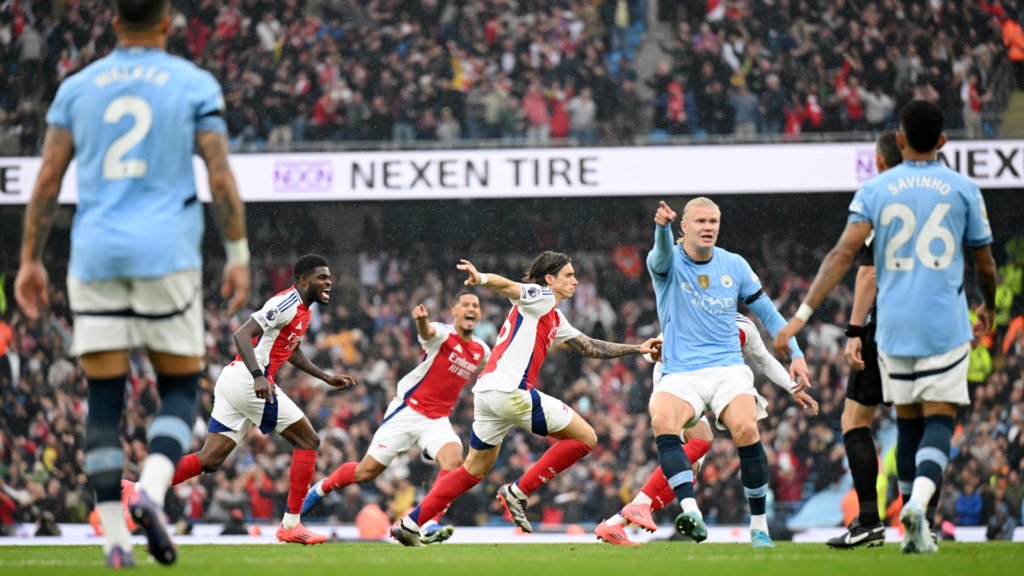
Clean sheet percentage is a defensive metric that measures the proportion of matches in which a team does not concede a goal, expressed as a percentage. If a team plays 38 matches and keeps 15 clean sheets, their clean sheet percentage is 39.5 percent. This statistic is one of the most direct measures of defensive quality available and correlates strongly with league position, as teams that frequently prevent opponents from scoring tend to accumulate more points and finish higher in the table. For correct score betting and BTTS markets, clean sheet percentage is an essential analytical input.
Clean Sheet Percentages Across Football
In the Premier League, the team with the highest clean sheet percentage typically records between 45 and 58 percent, keeping a clean sheet in roughly half their matches. Chelsea’s record-breaking 2004-05 season under Jose Mourinho saw them keep 25 clean sheets in 38 matches (65.8 percent), a standard that has rarely been approached since. At the bottom of the table, the weakest defensive teams may manage clean sheets in only 10 to 15 percent of matches, highlighting the enormous quality gap between the best and worst defences in the division.
Clean sheet percentage varies significantly between home and away matches. Most teams keep a higher proportion of clean sheets at home, where they benefit from familiar surroundings, crowd support, and the psychological comfort of their own stadium. A team that keeps clean sheets in 50 percent of their home matches might manage only 25 to 30 percent away, reflecting the away disadvantage. Some elite teams — particularly those with dominant possession styles like Manchester City — maintain impressively high away clean sheet percentages that defy this typical pattern.
The goalkeeper’s individual clean sheet percentage is often used as a measure of their personal performance, though this metric is heavily influenced by the quality of the defence in front of them. A goalkeeper with a 45 percent clean sheet rate behind a world-class defence like 2004-05 Chelsea is not necessarily better than one with a 25 percent rate behind a newly promoted team’s backline. For a fairer individual assessment, comparing a goalkeeper’s clean sheet rate against the expected clean sheet rate based on the quality of chances they face (derived from xG against) provides a more meaningful evaluation of their personal contribution.
Clean sheet percentage trends over a season can reveal important information about defensive development or decline. A team that keeps five clean sheets in their first ten matches but only two in their next ten may be experiencing defensive fatigue, injury problems, or tactical adjustments by opponents who have learned to exploit their weaknesses. Conversely, a team whose clean sheet rate improves through the season may be developing better defensive partnerships and understanding as the campaign progresses.
Using Clean Sheet Percentage for Predictions
Clean sheet percentage is directly applicable to several betting markets. The BTTS (Both Teams to Score) market essentially asks whether both teams will breach each other’s defences, so a team’s clean sheet percentage is inversely related to the probability of their opponent scoring. A team that keeps clean sheets in 45 percent of their matches fails to keep clean sheets 55 percent of the time, meaning their opponents score in approximately 55 percent of their matches. This figure directly informs the BTTS probability for any match involving that team.
For correct score betting, clean sheet percentage constrains the probability distribution of scorelines. If a team has a 40 percent clean sheet probability in a specific match, the sum of all scorelines where that team does not concede (1-0, 2-0, 3-0, etc.) should equal approximately 40 percent of the total probability. The remaining 60 percent is distributed across scorelines where the opponent scores at least one goal. This constraint ensures internal consistency in the prediction model and helps produce realistic scoreline probability distributions.
Opponent-adjusted clean sheet percentage is more useful for match prediction than raw clean sheet percentage. A team’s clean sheet rate against top-six opponents may be very different from their rate against bottom-half teams. When predicting a specific match, using the clean sheet rate against opponents of similar quality provides a more accurate estimate than the overall season average. At Correct Score Predict, we use opponent-adjusted defensive metrics to ensure our predictions reflect the specific challenge each team faces in each match.
Clean Sheet Percentage and Correct Score Betting
The most common scorelines associated with clean sheets are 1-0 (the single most frequent result in football, occurring in about 12-14 percent of matches) and 2-0. Together, these two scorelines account for approximately 20 to 22 percent of all results and represent the majority of clean sheet outcomes for the winning team. The 0-0 draw, another clean sheet result for both teams, occurs in about 7 to 9 percent of matches. Understanding the distribution of clean sheet scorelines helps bettors focus their correct score selections when they expect a shut-out performance from one team’s defence. At Correct Score Predict, clean sheet analysis is central to our forecasting methodology.