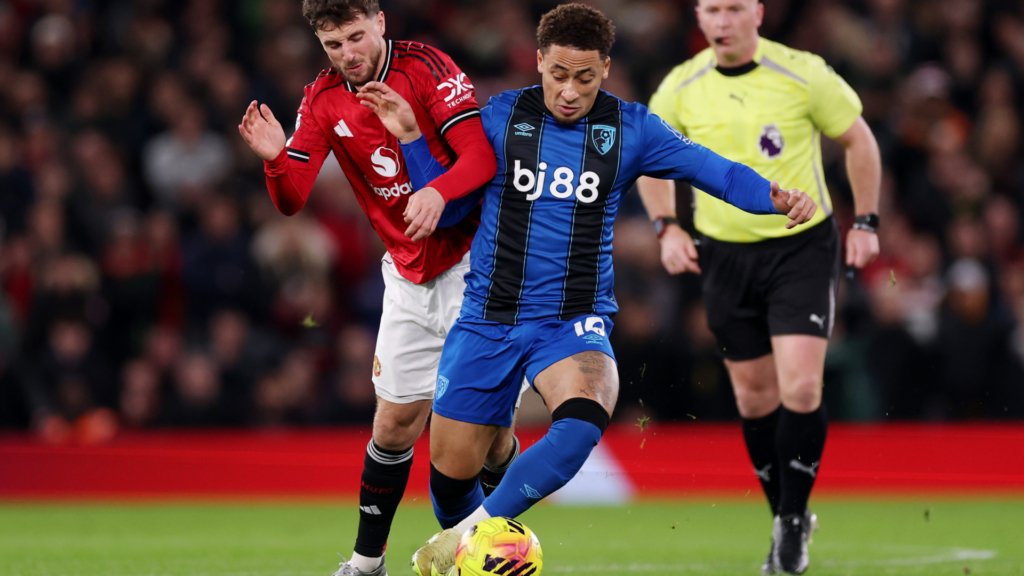
Seeding in football is the system used to rank and separate teams in tournament draws, ensuring that the strongest teams are distributed across different groups or different sides of the knockout bracket rather than being concentrated together. Seeding prevents the best teams from meeting each other in the early rounds, preserving the most attractive matchups for the later stages of the competition. The criteria used for seeding vary between tournaments but typically involve a combination of FIFA world rankings, UEFA club coefficients, domestic league performance, and historical results in the competition.
How Seeding Works in Major Tournaments
In the FIFA World Cup draw, the 32 (or 48) qualifying teams are divided into four pots based on their FIFA world ranking, with the host nation automatically placed in Pot 1 alongside the highest-ranked teams. Geographic restrictions prevent teams from the same confederation from being drawn in the same group (with certain exceptions). The draw then assigns one team from each pot to each group, creating groups that theoretically contain one team from each quality tier. However, the seeding system is imperfect — the bottom team in Pot 1 may be weaker than the top team in Pot 2, and the geographic restrictions sometimes create groups that are significantly harder or easier than others.
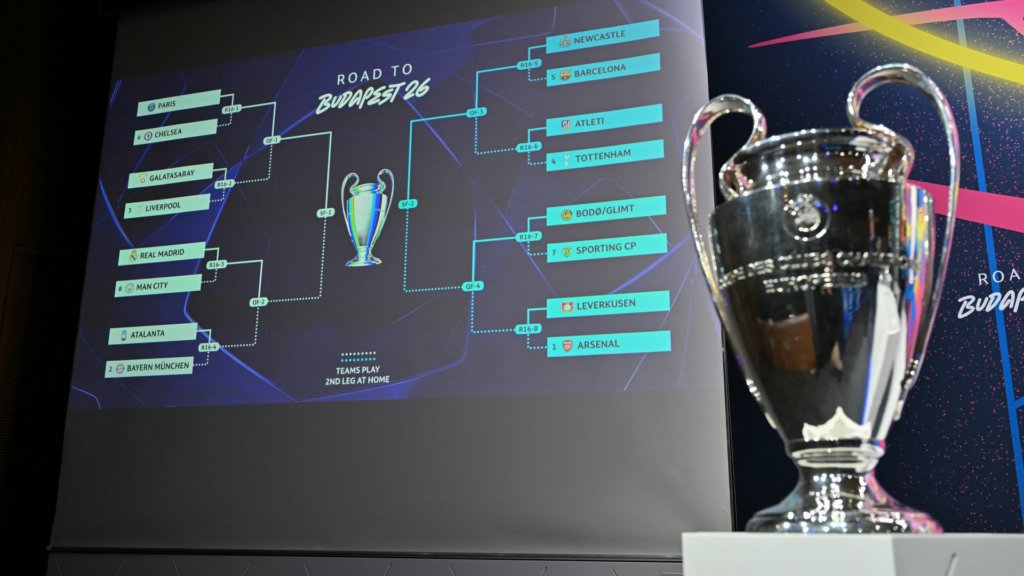
The Champions League uses UEFA club coefficients — a rolling five-year measure of each club’s performance in European competition — to determine seeding. In the traditional group stage format, the 32 teams were divided into four pots, with Pot 1 containing the holders, the Europa League holders, and the champions of the six highest-ranked domestic leagues. The remaining pots were filled based on coefficient rankings. In the new league phase format, seeding determines the range of opponents each team faces, with higher-seeded teams receiving more favourable draws on average.
Domestic cup competitions also use seeding, though the mechanism varies. In the FA Cup, Premier League and Championship clubs enter in the third round and are not seeded — the draw is completely random, which creates the possibility of giant-killing ties between top-flight clubs and non-league opposition. Other domestic cups, such as the League Cup, may use regional seeding in early rounds to reduce travel. European qualifying rounds use seeding extensively to protect higher-ranked teams from facing each other before the main competition begins.
The impact of seeding on competition outcomes is significant and measurable. Higher-seeded teams advance from the group stage more frequently than lower-seeded teams, as expected, but upsets do occur regularly. In the Champions League, Pot 3 and Pot 4 teams advance from the group stage in approximately 20 to 30 percent of groups, demonstrating that while seeding provides an advantage, it does not guarantee progression. The quality gap between pots has also narrowed in recent years as the financial landscape of European football has become more competitive.
Seeding and Its Effect on Tournament Predictions
Seeding information is valuable for tournament predictions at multiple levels. At the group level, knowing the seeding tier of each team helps estimate the relative quality within the group and the probability of each team advancing. Groups containing a weak Pot 1 team and strong Pot 2 and Pot 3 teams are identified as groups of death, where at least one quality team will be eliminated early. Conversely, groups with a strong Pot 1 team and weaker opposition from lower pots are more predictable, with the top-seeded team expected to win the group comfortably.
At the knockout stage, seeding determines which side of the bracket teams are drawn on, which in turn affects the difficulty of their path to the final. A top-seeded team drawn on a side of the bracket with other strong qualifiers faces a harder route than one drawn against weaker opposition. Analysts and bettors who map out potential knockout paths based on group stage predictions can identify teams with favourable draws that may reach the latter stages of the tournament despite not necessarily being the strongest team in the competition.
For individual match predictions, seeding provides a useful starting point for estimating team quality, particularly in competitions where teams from different confederations or leagues face each other and direct comparison data is limited. A team seeded in Pot 1 of the Champions League is more likely to beat a Pot 4 team than the reverse, and this quality differential should be reflected in the predicted scoreline distribution. However, seeding should not be overweighted — a team’s current form and specific strengths and weaknesses are more important for match prediction than their coefficient ranking.
Seeding and Correct Score Predictions
Seeding affects correct score predictions primarily through its role as a quality indicator. Matches between teams from different seeding tiers tend to produce specific patterns — the higher-seeded team is expected to control the match, and scorelines like 2-0, 2-1, and 1-0 in their favour are the most probable outcomes. Matches between teams from the same seeding tier are more competitive and produce a wider range of possible scorelines, with draws and narrow results being more likely. At Correct Score Predict, we use seeding data alongside current performance metrics to generate accurate predictions for all tournament matches, helping our users navigate the unique dynamics of group stage and knockout competition football.