The group stage is the initial phase of many football tournaments where teams are divided into groups of three to four teams and play a round-robin format against every other team in their group. Each team plays once against every other team in the group, with three points awarded for a win, one for a draw, and zero for a loss. At the end of the group stage, teams are ranked within their group based on points, and the top teams from each group advance to the knockout rounds. The group stage format is used in the FIFA World Cup, UEFA Champions League, UEFA Europa League, Copa America, Africa Cup of Nations, and numerous other major competitions.
How the Group Stage Format Works
In the traditional Champions League format (used through 2023-24), 32 teams were divided into eight groups of four. Each team played six group matches — home and away against each of the other three teams in their group. The top two teams from each group advanced to the Round of 16, while third-placed teams dropped into the Europa League knockout phase and fourth-placed teams were eliminated. This format provided a guaranteed minimum of six matches for each participating team, ensuring significant revenue from broadcasting and ticket sales while creating multiple pathways to qualification from each group.
The FIFA World Cup group stage follows a similar principle but with a smaller number of matches per team. In the traditional 32-team format, eight groups of four teams each play three matches (one against each group opponent), with the top two from each group advancing to the Round of 16. The expanded 48-team format being introduced features 12 groups of four teams following the same round-robin structure. The shorter group stage (three matches versus six in the Champions League) means that every match carries enormous weight, and a single poor result can effectively eliminate a team from the tournament.
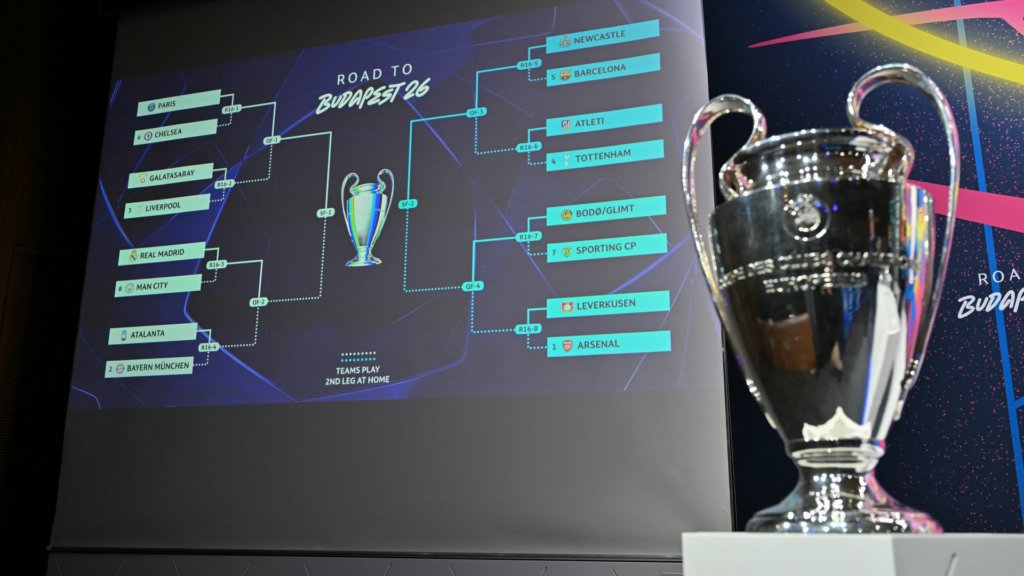
The 2024-25 Champions League introduced a revolutionary new league phase format replacing the traditional group stage. All 36 participating teams are placed in a single league table, with each team playing eight matches against eight different opponents (four at home, four away). The top eight teams advance directly to the Round of 16, teams finishing ninth to twenty-fourth play a knockout playoff round, and teams finishing twenty-fifth to thirty-sixth are eliminated. This format provides more matches, more variety in opponents, and a single combined ranking rather than isolated groups.
Tiebreaking rules in the group stage vary between competitions. UEFA competitions traditionally use head-to-head record as the primary tiebreaker when teams finish level on points, while FIFA competitions and some other tournaments use goal difference followed by goals scored. Understanding the specific tiebreaking rules is important for predicting which teams will advance from closely contested groups, as teams may adjust their approach in final group matches based on the specific tiebreaker scenarios they face.
Group Stage Dynamics and Tactical Approaches
The group stage produces distinctive tactical dynamics that differ from regular league football. In the early matches, teams often play cautiously, prioritizing not losing over winning aggressively, as a defeat in the group stage is difficult to recover from with only a limited number of remaining matches. This caution tends to produce lower-scoring matches in the opening round of group play, with 1-0 and 0-0 results occurring more frequently than in domestic league fixtures.
As the group stage progresses, the dynamics shift based on each team’s position. Teams that have won their opening matches may rotate their squad or play conservatively to protect their advantage, while teams that have lost may need to take risks and play more aggressively to keep their qualification hopes alive. The final round of group matches often produces the most dramatic scenarios, with teams knowing exactly what result they need and adjusting their approach accordingly. Dead rubber matches, where both teams’ fates are already decided, can be either flat and low-scoring or open and entertaining depending on the players’ motivation and professional pride.
The known result phenomenon affects final group matches when one match in the group kicks off after the other has already finished. Teams in the later kickoff know the result of the earlier match and can adjust their approach accordingly. If a team learns that a rival’s result means they need only a draw to advance, they may adopt a more conservative strategy than they would have otherwise. This informational advantage can significantly affect match outcomes and is an important consideration for bettors analysing final group matchday fixtures.
Group Stage Predictions and Correct Score Betting
Predicting group stage matches requires accounting for the specific tournament dynamics that affect team behaviour and match outcomes. The pressure of knockout qualification, the tactical caution of early group matches, the desperation of must-win situations, and the potential flatness of dead rubbers all influence the expected scoreline distribution in ways that standard league-based prediction models may not fully capture. At Correct Score Predict, we adjust our models for tournament context to reflect these group stage-specific dynamics and provide accurate scoreline forecasts for Champions League, World Cup, and other major tournament group matches.