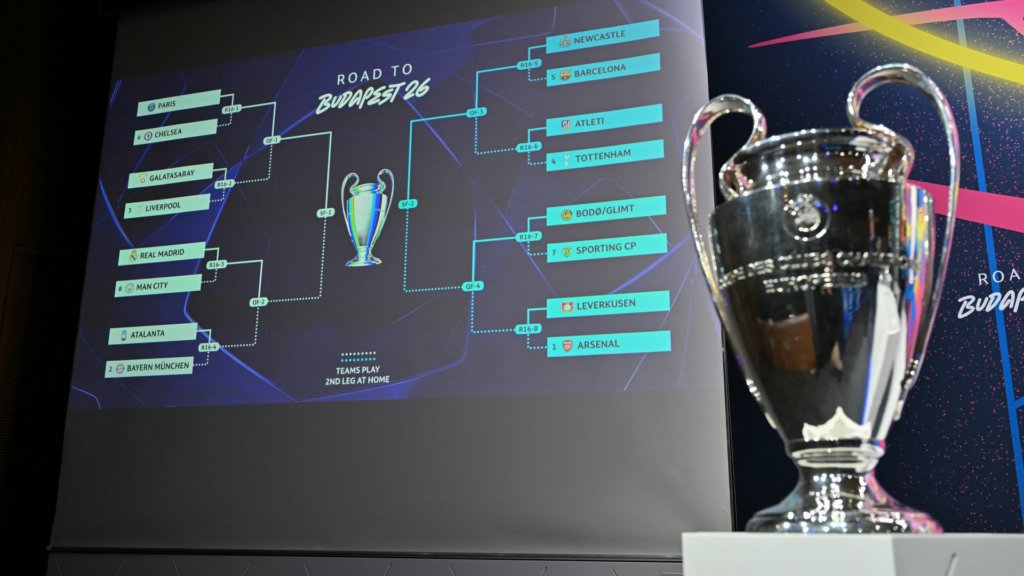
A knockout round in football is an elimination stage of a tournament where teams play against each other with the losing team being eliminated from the competition. Unlike the group stage where teams play multiple matches and accumulate points, knockout rounds are sudden death — lose and you go home. Knockout rounds can take the form of single-match eliminations (as in the later stages of the World Cup and domestic cup competitions) or two-legged ties (as traditionally used in the Champions League and Europa League knockout phases). The high stakes and win-or-go-home nature of knockout football produces some of the sport’s most dramatic and memorable moments.
Single-Match vs Two-Legged Knockout Formats
Single-match knockout rounds are used in the World Cup from the Round of 16 onwards, in domestic cup competitions like the FA Cup (from the third round), and in the later stages of many continental competitions. In a single-match format, the match must produce a winner on the day. If the score is level after 90 minutes, the match proceeds to extra time (two periods of 15 minutes) and then a penalty shootout if needed. This format maximizes drama and unpredictability, as a single moment of brilliance or a defensive error can end a team’s tournament campaign.
Two-legged knockout ties, traditionally used in the Champions League and Europa League from the Round of 16 to the semi-finals, require each team to play one match at home and one away, with the winner determined by aggregate score. If the aggregate is level after both legs, extra time is played in the second leg (and penalties if still level). This format rewards consistency over two matches and theoretically advantages the team that plays the second leg at home, as they have the final opportunity to influence the tie in front of their own fans.
The tactical approach to knockout football differs significantly from league football. In league matches, a draw gives both teams one point and is an acceptable outcome in many situations. In knockout football, a draw in a single match leads to extra time and penalties, while a draw on aggregate in a two-legged tie also requires extra time. This means teams cannot settle for draws in the same way — they must eventually find a way to win, which creates different tactical dynamics, risk calculations, and psychological pressures than regular season matches.
Extra time and penalty shootouts add layers of strategy and drama to knockout football. Managers must decide how to manage their substitutions across 90 minutes of regular time and the potential 30 minutes of extra time, balancing the desire to win in regulation with the need for fresh legs if the match extends. The penalty shootout, while sometimes criticised as a lottery, is actually a skilled exercise that teams can prepare for and improve at, as demonstrated by England’s improved shootout record under Gareth Southgate’s specifically designed penalty preparation programme.
Knockout Round Statistics and Trends
Knockout round matches in major tournaments tend to be lower-scoring than group stage matches. World Cup knockout matches average approximately 2.1 to 2.3 goals per 90 minutes, compared to 2.5 to 2.7 in the group stage. Champions League knockout matches show a similar pattern, with first legs of two-legged ties being particularly low-scoring as both teams prioritize not conceding an away goal (even after the away goals rule’s abolition, first-leg caution persists as a cultural habit). This defensive tendency in knockout matches is an important factor for correct score predictions and over/under goals markets.
The probability of extra time and penalties varies by competition and stage. In World Cup knockout rounds, approximately 25 to 35 percent of matches go to extra time, and about 15 to 20 percent reach penalty shootouts. These probabilities increase in the later stages of the competition as the quality gap between teams narrows and the stakes increase, producing more cautious, tightly contested matches. For bettors, the probability of extra time is relevant because most betting markets settle on the 90-minute result, meaning that a match heading for extra time is effectively a draw for betting purposes.
Home advantage in knockout football is significant but less pronounced than in league football. In two-legged ties, the team that plays the second leg at home advances approximately 55 to 60 percent of the time, a meaningful but not overwhelming advantage. In single-match knockout rounds played at neutral venues (as in the World Cup), the advantage shifts to the team perceived as the home team based on geography and fan support, though this effect is smaller than the traditional home advantage in domestic football.
Knockout Rounds and Correct Score Predictions
Correct score prediction for knockout matches requires specific adjustments compared to league match prediction. The lower average goals, the increased probability of draws leading to extra time, and the different tactical approaches all affect the expected scoreline distribution. Scorelines like 1-0, 0-1, and 1-1 are disproportionately common in knockout football compared to their frequency in league matches, while high-scoring results like 3-2 and 4-3 are relatively less frequent despite their dramatic appeal. At Correct Score Predict, our models account for the knockout context when generating predictions for cup and tournament matches, ensuring accurate forecasts that reflect the specific dynamics of elimination football.